Invisalign Attachments: The Small Detail That Makes a Big Difference
Most people know Invisalign as the clear, removable alternative to traditional braces. What fewer people realize is that for many patients, the aligners alone aren’t enough to get the job done. That’s where Invisalign attachments come in—small but mighty additions to your treatment plan that can mean the difference between good results and great ones.
If your dentist has mentioned attachments as part of your Invisalign journey, you might have questions. What exactly are they? Will they be noticeable? Do they hurt? This guide breaks down everything you need to know about Invisalign attachments, from how they work to what you can expect during treatment. And if you’re considering starting Invisalign in California, Cali Family Dental offers personalized, expert care to guide you through every step of the process.
What Are Invisalign Attachments?
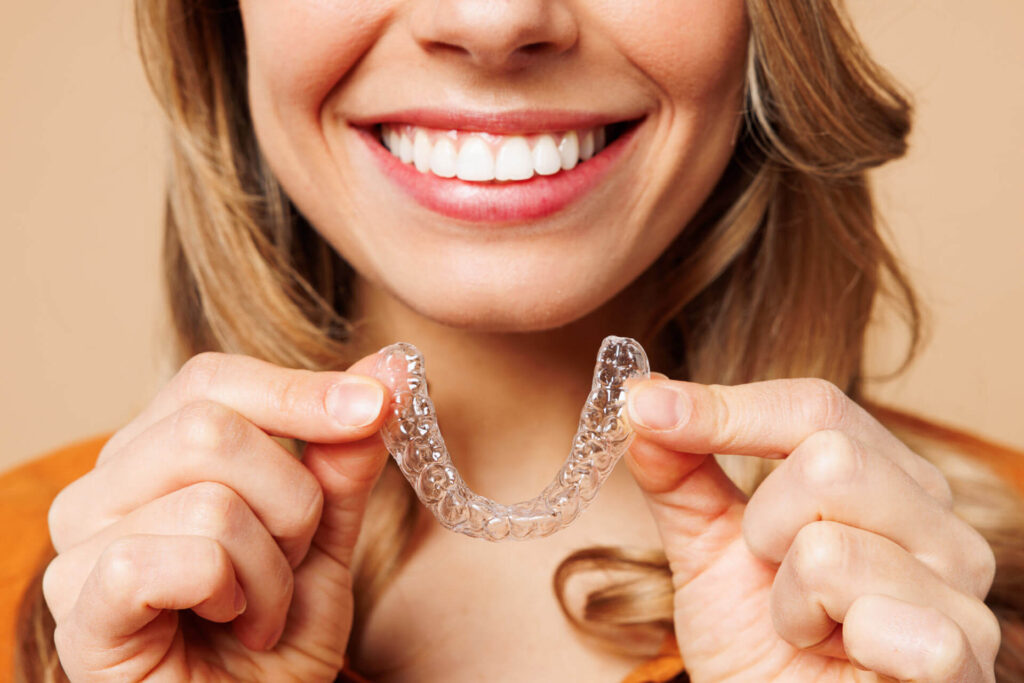
Invisalign is a clear aligner system that gradually shifts your teeth into alignment using a series of custom-made, removable trays. Each tray is worn for about one to two weeks before you move on to the next one in the sequence. The aligners apply gentle, consistent pressure to your teeth—but some tooth movements require a little extra help.
That’s where attachments come in. Invisalign attachments are small, tooth-colored dots made from dental composite resin—the same material used for tooth-colored fillings. They’re bonded directly to the surface of specific teeth and act as grip points for your aligners. Think of them as handles that give the aligner something to push or pull against when precise, targeted movement is needed.
Attachments are more common than most people expect. Depending on the complexity of your case, you might have just a few or quite a number placed on various teeth throughout your mouth.

Why Are Attachments Necessary?
Invisalign aligners work brilliantly for straightforward cases. However, certain tooth movements are simply too complex for aligners to achieve on their own. Attachments fill that gap.
Some of the most common movements that require attachments include:
-
Rotations: Spinning a tooth slightly to correct its angle.
-
Vertical movements: Moving a tooth up or down relative to the gumline.
-
Torque adjustments: Tipping the root of a tooth in a specific direction.
-
Extrusion: Pulling a tooth downward when it sits higher than neighboring teeth.
Without attachments, the smooth surface of an aligner has limited ability to grip and guide teeth through these complex movements. Attachments give the aligner the leverage it needs to apply force in the right direction.
At Cali Family Dental, every Invisalign treatment plan is customized to the individual patient. The team carefully evaluates which teeth require attachments, where they should be placed, and how they’ll work in harmony with each aligner tray to achieve the most effective outcome. That level of personalized planning is what sets a quality Invisalign provider apart.
How Do Invisalign Attachments Work?
Attachments are precisely shaped—often as small rectangles, triangles, or circles—with each shape engineered to produce a specific type of movement. The shape, size, and placement of each attachment are determined by your Invisalign treatment plan, which is mapped out using advanced 3D digital imaging software.
Once bonded to your teeth, attachments fit into corresponding cutouts in each aligner tray. When you snap the aligner into place, it presses against the attachments in a calculated way, directing targeted pressure exactly where it’s needed. As you progress through your aligner sequence, the attachments continue to work with each new tray to guide your teeth through their planned movements.
The material used—composite resin—is matched as closely as possible to the natural shade of your teeth. While attachments are visible on close inspection, they blend in well and are far less noticeable than traditional metal brackets.
Precision matters enormously when it comes to attachment placement. Even a slight misalignment can affect how well your aligners perform. Cali Family Dental uses detailed imaging and digital planning tools to ensure each attachment is placed with accuracy, giving your treatment the best possible foundation.
What to Expect When Getting Attachments at Cali Family Dental
For many patients, the idea of having something bonded to their teeth sounds intimidating. In reality, the attachment placement process is straightforward and comfortable.
Here’s what typically happens during your appointment:
-
Tooth preparation: Your dentist will clean and lightly etch the surface of each tooth that will receive an attachment. This creates a slightly rough surface for the composite resin to bond to.
-
Template placement: A special aligner-like template is used to position the composite resin dots in exactly the right spots.
-
Curing: A UV light is used to harden the resin, securing the attachments in place.
-
Fitting check: Your dentist will ensure your aligners fit properly over the attachments before you leave.
The whole process usually takes less than an hour and requires no anesthesia. Most patients describe it as completely painless, though your teeth may feel slightly sensitive for a day or two afterward. Some patients also notice a brief adjustment period as they get used to the feel of the attachments under their aligners.
At Cali Family Dental, the team prioritizes patient comfort and clear communication. Before any procedure, you’ll know exactly what to expect and why each step is important. Their goal is to make your Invisalign experience as smooth and stress-free as possible from start to finish.
Caring for Your Invisalign Attachments
Good oral hygiene becomes especially important once you have attachments. Food and plaque can accumulate around the edges, so a thorough cleaning routine is essential to keeping both your teeth and your attachments in top shape.
Brushing and flossing
Brush after every meal before reinserting your aligners. Pay close attention to the areas around each attachment. Floss daily, using a floss threader or water flosser if needed to reach tight spaces.
Cleaning your aligners
Rinse your aligners every time you remove them. Clean them daily with a soft toothbrush and mild, clear soap—avoid toothpaste, which can scratch the plastic and create areas for bacteria to build up.
Avoiding staining
Composite resin can stain over time, particularly from dark beverages like coffee, tea, and red wine. Try to limit these when your aligners are out, and always rinse your mouth before reinserting your trays.
Watch what you eat
While attachments are durable, very hard or sticky foods can dislodge them. If an attachment does pop off, contact your dental office promptly—it may need to be replaced to keep your treatment on track.
Cali Family Dental provides every patient with personalized care instructions and is always available to answer questions between appointments. Small habits, maintained consistently, make a significant difference over the course of your treatment.
Common Concerns About Attachments (And Why You Shouldn’t Worry)
It’s completely natural to feel uncertain about attachments when you first hear about them. Here are some of the most common concerns—and the reassuring truth behind each one.
“Will they be noticeable?”
Attachments are made from tooth-colored composite resin, so they blend in with your natural tooth shade. Up close, someone might spot them, but in everyday social situations—conversations, photos, meetings—they’re far less visible than metal braces.
“Will they be uncomfortable?”
Most patients adjust to the feeling of attachments within a few days. Initially, the inside of your lips and cheeks may feel a little sensitive as they adapt. Using orthodontic wax on any particularly prominent attachments can help during this period.
“Will they damage my teeth?”
No. Attachments sit on the surface of your enamel and are removed at the end of treatment using a safe polishing process. Your tooth structure remains intact.
“How long will I have them?”
Attachments stay on for as long as they’re needed to achieve specific movements. Some may be removed partway through treatment once those movements are complete, while others remain until your final tray. Your dentist will keep you informed throughout.
Patients at Cali Family Dental regularly express relief once they experience the attachment process firsthand. Many had expected something far more involved than the quick, painless procedure they actually went through. Hearing directly from patients who’ve completed their Invisalign journey—and are thrilled with their results—is often the best reassurance of all.

The Role of Cali Family Dental in Your Invisalign Journey
Choosing the right Invisalign provider is just as important as choosing the right treatment. Invisalign is a sophisticated system, and its effectiveness depends heavily on the expertise and attention to detail of the dental team overseeing your care.
Cali Family Dental brings advanced digital imaging technology and deep clinical knowledge to every Invisalign case. From your initial consultation through to your final retainer fitting, the team monitors your progress closely, makes adjustments when needed, and ensures your comfort every step of the way.
What sets Cali Family Dental apart is their genuine commitment to patient satisfaction. They take the time to understand your goals, explain your treatment plan in full, and check in with you regularly throughout the process. You’re not just handed a series of trays and sent on your way—you have a dedicated team in your corner.
Attachments are just one example of how Cali Family Dental goes beyond the basics to ensure each patient achieves the best possible outcome. When placed with precision and supported by excellent ongoing care, attachments can unlock tooth movements that simply wouldn’t be possible otherwise.
Embracing Attachments for a Better Smile
Invisalign attachments are a small addition to your treatment with a significant impact on your final results. They make complex tooth movements possible, expand who can benefit from clear aligner therapy, and work seamlessly within the Invisalign system to keep your treatment on track.
If attachments are part of your plan, they’re a sign that your provider is committed to getting your results right—not just taking the easiest path. With proper care and the right dental team, attachments are nothing to worry about and everything to appreciate.
Ready to find out whether Invisalign—with or without attachments—is right for you? Schedule a consultation with Cali Family Dental today and take the first step toward the smile you’ve been working toward.
Cali Family Dental
https://maps.app.goo.gl/PietwptYYCWkfeWP7
9444 Slauson Ave, Pico Rivera, CA 90660, United States
(562) 667-0978
https://califamilydental.com/