Emergency Dental Extraction Near Me: Key Steps to Save Your Smile
Dental emergencies can strike without warning, and acting quickly is critical to protect your teeth, gums, and overall oral health. When a tooth becomes severely damaged, infected, or painful, waiting too long can lead to complications, prolonged pain, or even permanent tooth loss. Timely care is essential to prevent minor problems from turning into major ones.
Common situations that require an emergency dental extraction include severe tooth decay, trauma from accidents, advanced infections, or teeth that cannot be saved with fillings or root canals. Recognizing these urgent signs—such as intense pain, swelling, or uncontrolled bleeding—can help you seek care before complications worsen.
In this guide, you’ll learn the key steps to take when searching for emergency dental extraction near me, how to prepare for a visit, manage pain, and ensure a smooth recovery. By knowing what to do in advance, you can act swiftly and confidently, safeguarding your smile and minimizing stress during a dental emergency.
Recognizing a True Dental Emergency
Identifying Severe Pain That Will Not Subside
Understanding the difference between a mild, temporary toothache and a serious condition is the first step in seeking proper care. Persistent, throbbing pain often signals a compromised tooth root or deep decay that requires immediate intervention. Tracking your specific pain triggers, such as extreme sensitivity to hot or cold temperatures, will help your dentist make a highly accurate diagnosis when you arrive at the clinic.
Spotting Signs of Infection and Facial Swelling
An abscessed tooth presents dangerous symptoms that you should never ignore, including localized swelling in your gums, cheek, or jawline. A bad taste in your mouth, persistent bad breath, or a sudden fever indicates an active infection that is spreading through the surrounding tissues. Seeking immediate medical or dental attention stops this infection from reaching other parts of your body and causing systemic health issues.
Assessing Trauma and Structural Tooth Damage
Physical trauma from unexpected accidents or sports injuries often results in loose, severely cracked, or partially dislodged teeth. While saving a natural tooth is always the primary goal, attempting to preserve a structurally ruined tooth might cause extensive harm to your surrounding oral structures.

Immediate Steps to Take Before Seeing a Dentist
Safely Managing Oral Pain at Home
While waiting for your dental appointment, finding effective and temporary pain relief is essential for your comfort. Using over-the-counter anti-inflammatory medications safely and according to package instructions helps manage the intense throbbing sensations. Applying a cold compress to the outside of your cheek for fifteen minutes at a time will numb the area and bring down localized swelling effectively.
How to Handle Bleeding and Protect the Area
If your dental emergency involves bleeding, using clean gauze or a damp tea bag to apply gentle, steady pressure will help control the issue. Keeping your head elevated on a few pillows reduces blood flow to the affected area, minimizing throbbing and encouraging the formation of a healthy blood clot.
What You Should Never Do with a Damaged Tooth
Certain home remedies can worsen your dental emergency, such as placing crushed aspirin directly on the gums, which causes severe chemical burns. You must refrain from touching the exposed tooth root or wiggling a loose tooth with your fingers or tongue. Attempting to pull a loose tooth yourself can permanently damage the surrounding jawbone and complicate the professional extraction process.
How to Find the Right Emergency Dentist Near You
Searching for Accessible After-Hours Care
Locating a dental clinic that offers extended hours, weekend availability, or a dedicated emergency hotline is vital when unexpected pain strikes. Online directories and search engines allow you to filter specifically for local providers who handle urgent dental extractions promptly. Having a few local emergency contacts saved in your phone ensures you can act quickly when time is of the essence.
Verifying Emergency Dental Credentials
Ensuring the professional treating you has the proper licensing and experience guarantees that your complex or surgical extraction will be performed safely. Reading through patient reviews that specifically mention how the clinic handles urgent, high-stress situations provides insight into their overall bedside manner and clinical competence.
Important Questions to Ask Over the Phone
Calling the clinic gives you the opportunity to ask the receptionist critical questions, such as their specific protocol for severe pain management and their ability to see you the same day. Confirming what type of dental insurance the office accepts or inquiring about emergency financing options helps you prepare for the financial aspect of unexpected procedures.

What to Expect During an Emergency Extraction
Diagnostic X-Rays and Comprehensive Assessment
The initial examination phase involves taking focused digital X-rays to accurately assess the exact position of the tooth root and the health of the surrounding bone. This comprehensive, evidence-based assessment gives the dentist a clear picture of the underlying anatomy and any hidden infections. Based on these images, the professional determines whether a simple extraction or a more involved surgical approach is necessary.
Understanding Local Anesthesia and Sedation Options
Before any physical work begins, the dentist applies local anesthesia to thoroughly numb the affected area, ensuring you will not feel sharp pain during the removal of the tooth, only slight pressure. Various sedation options, ranging from gentle nitrous oxide to oral conscious sedation, are often available to keep you completely relaxed if you experience dental anxiety.
The Step-by-Step Removal Process
The actual extraction procedure involves the dentist gently loosening the tooth from the periodontal ligament using specialized instruments before removing it safely and efficiently. Immediately after the tooth is out, the professional cleans the socket thoroughly to remove any infected tissue or debris. Finally, sterile gauze is placed over the extraction site, and you are instructed to bite down gently to encourage proper clotting and initiate the healing process.
Cali Family Dental: Your Emergency Care Partner
Comprehensive Emergency Care You Can Trust
Cali Family Dental approaches oral health as an integral part of your general health, providing prompt, compassionate care during any dental crisis. The dedicated team prioritizes your comfort and safety, relying on current scientific research to handle your emergency effectively and efficiently. This commitment to evidence-based practice ensures you receive the highest standard of urgent care exactly when you need it most.
A Relaxed, Stress-Free Environment for Urgent Needs
From the moment you walk through the door, a caring staff welcomes you into a relaxed, stress-free environment designed to calm any emergency-related anxiety. The clinic provides everything you need to know in one accessible place, making booking your urgent visit and receiving care feel completely seamless. Prioritizing patient comfort allows the entire family to feel at ease, even during unexpected and urgent dental situations.
Restorative Options to Rebuild Your Smile
Once the extraction site heals completely, the experts at Cali Family Dental can help you select the right restorative services on their menu to make your smile a showstopper once again. Exploring these comprehensive treatment plans ensures your extracted teeth are seamlessly replaced with durable, natural-looking materials. This forward-thinking approach guarantees that you maintain excellent oral health and total confidence for years to come.
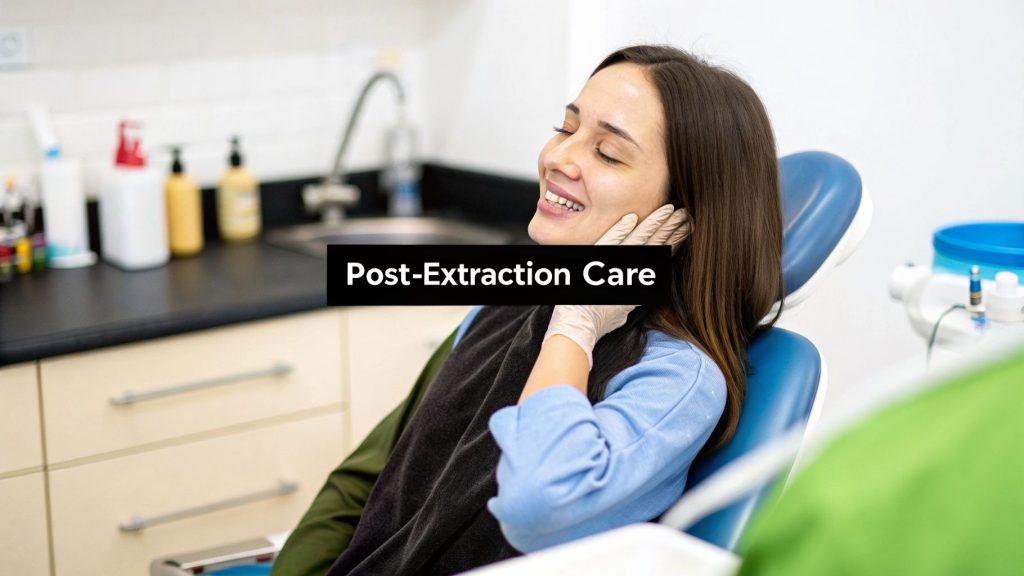
Post-Extraction Care for a Smooth Recovery
Protecting the Blood Clot and Preventing Dry Socket
Following the dental extraction, avoiding any suction in your mouth—such as drinking through straws, spitting forcefully, or smoking—is crucial to keep the protective blood clot perfectly intact. Losing this clot exposes the underlying bone and nerves, leading to a highly painful condition known as dry socket. If you experience severe, radiating pain a few days after the procedure, an immediate follow-up visit is required to receive a medicated dressing.
Safe Dietary Choices for the First 48 Hours
Sticking to a diet of soft, nutritious foods keeps you fueled without irritating the sensitive extraction site during the initial healing phase. Excellent dietary choices include smooth yogurt, applesauce, lukewarm broths, and mashed potatoes that require minimal chewing effort. Hard, crunchy, sticky, and spicy foods must be strictly avoided to prevent food debris from lodging in the healing socket and causing painful irritation.
Implementing a Gentle Oral Hygiene Routine
Maintaining proper oral hygiene prevents infection, but you must learn exactly how to brush your remaining teeth without disturbing the sensitive surgical area. Starting 24 hours after the procedure, using a warm saltwater rinse gently cleans the extraction site and promotes faster, healthier tissue healing. Avoid aggressive swishing; instead, let the warm saltwater gently roll around your mouth before letting it naturally fall into the sink.
Planning for the Future of Your Smile
Why Replacing an Extracted Tooth Matters
Leaving a gap in your smile has serious biological consequences, including gradual bone loss in the jaw and the shifting of your remaining healthy teeth. Bite misalignment caused by a single missing tooth creates uneven wear patterns and can lead to future problems with chewing and speech. Addressing the empty space promptly preserves your facial structure and keeps your overall dental alignment perfectly intact.
Exploring Dental Implants and Bridges
Reviewing the most reliable, permanent options for replacing your extracted tooth focuses primarily on the long-term structural benefits of titanium dental implants. Implants act like artificial tooth roots, stimulating the jawbone and providing a highly secure foundation for a lifelike porcelain crown. A custom dental bridge serves as an excellent alternative if you need a faster restorative solution that utilizes the strength of adjacent healthy teeth.
Scheduling Follow-Up Visits for Long-Term Health
Attending your scheduled post-operative checkup is essential so the dentist can carefully monitor your healing progress and remove any necessary stitches. This visit allows you to begin planning your comprehensive restorative timeline without feeling rushed or overwhelmed by the available choices. Making these follow-up appointments ensures your oral health remains a top priority long after the immediate dental emergency has passed.
Taking Swift Action for Your Dental Health
Dealing with a dental emergency requires swift, decisive action, from managing your pain safely at home to finding a qualified professional capable of performing a necessary extraction. Understanding the warning signs of serious dental issues empowers you to seek help before an infection spreads or the pain becomes completely unmanageable.
Save your local emergency dentist’s contact information today, follow proper first-aid protocols if sudden pain strikes, and schedule an immediate evaluation to protect your overall well-being. A fast response combined with professional expertise ensures that your smile remains healthy, functional, and bright for the future.
Cali Family Dental
https://maps.app.goo.gl/PietwptYYCWkfeWP7
9444 Slauson Ave, Pico Rivera, CA 90660, United States
(562) 667-0978
https://califamilydental.com/