How to Eat Comfortably After Dental Extractions
Eating can feel daunting after a dental extraction. Your mouth is sensitive, and the fear of causing pain or disrupting the healing site is completely normal. Proper nutrition remains essential during this time. Your body needs energy to repair tissue and recover efficiently. Skipping meals or relying on poor nutritional choices will only slow down your recovery and leave you feeling fatigued.
Following the right eating habits promotes faster healing, reduces daily discomfort, and prevents complications like dry socket. Choosing the right textures and temperatures ensures the extraction site remains undisturbed. Good nutrition minimizes swelling and supports your immune system. Every bite you take can either protect your healing gums or put them at risk.
This guide covers everything needed for a stress-free recovery. You will learn about safe food choices, specific eating techniques to minimize pain, and what items to completely avoid. It also explains why Cali Family Dental is a trusted partner for post-extraction care.
Understanding the Healing Process After Extractions
What Happens After an Extraction
Your body begins the healing process immediately after a tooth is removed. A blood clot forms in the empty socket to protect the exposed bone and nerves. This clot is the foundation for new tissue and bone growth. Disturbing this clot leads to a painful condition known as dry socket. Protecting this area is the most critical part of your early recovery.
Why Proper Nutrition is Key
The right foods support faster healing and reduce inflammation. Your body requires vitamins and minerals to rebuild damaged tissue and fight off potential infections. Soft, nutrient-dense foods provide this fuel without requiring vigorous chewing. A balanced diet keeps your immune system strong while your mouth recovers.
Common Challenges Patients Face
Patients often deal with dental sensitivity, swelling, and a limited ability to open their mouths fully. The fear of accidentally dislodging the blood clot makes mealtime stressful. Cold sensitivity and soreness around the jaw muscles are also frequent complaints. Knowing how to navigate these challenges makes the recovery period much more comfortable.
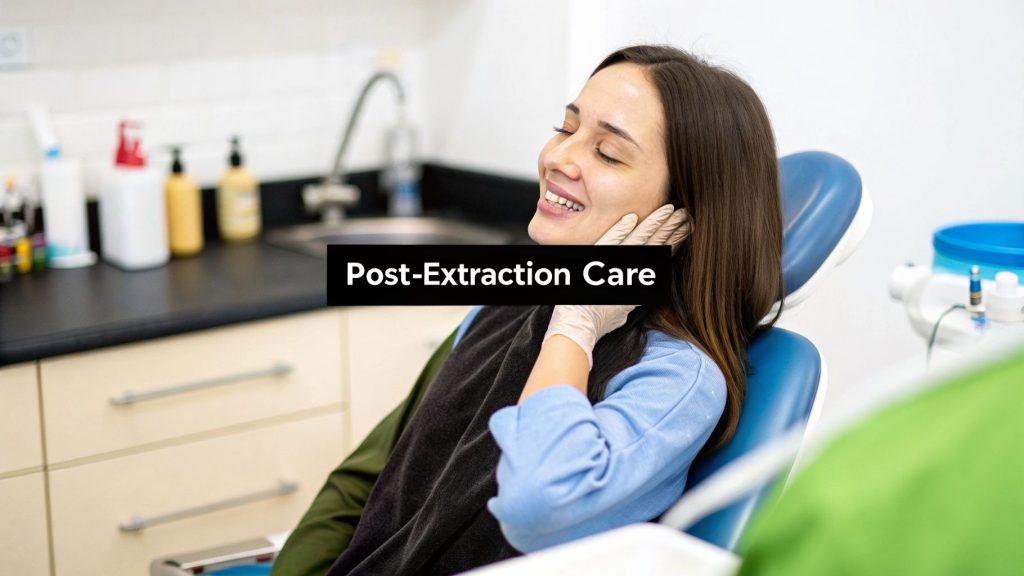
The Best Foods to Eat After an Extraction
Soft and Easy-to-Chew Options
Choose foods that require little to no chewing to protect the extraction site. Mashed potatoes, yogurt, and applesauce are gentle on your healing gums. Scrambled eggs and oatmeal also provide dental filling options that will not strain your jaw. These smooth textures slide down easily and keep you satisfied without risking injury to the blood clot.
Nutrient-Rich Choices
Your body needs high-quality nutrients to recover efficiently. Smoothies packed with leafy greens, bananas, and protein powder deliver a massive dose of vitamins. Protein-rich bone broths provide essential amino acids that aid in tissue repair. These options give you the energy required for healing while keeping your mouth comfortable.
Hydration-Friendly Foods
Staying hydrated is crucial for a smooth recovery. Soups and electrolyte-rich drinks keep your fluid levels up while providing necessary calories. Lukewarm broths soothe the throat and keep your body nourished. Avoid using a straw with any beverage, as the suction can dislodge the protective blood clot.
Foods to Avoid During Recovery
Crunchy and Hard Foods
Foods like chips, nuts, and raw vegetables can severely irritate the extraction site. Hard edges can scrape against healing tissues and cause unnecessary bleeding. Small fragments from crunchy foods easily get trapped in the empty socket. Skip these items entirely until the area has fully closed and healed.
Sticky and Chewy Foods
Sticky foods pose a major risk to your recovery. Caramel, chewing gum, and gummy candies can easily stick to the surgical site and pull out the blood clot. Chewy foods also require excessive jaw movement, which strains sore muscles and increases swelling. Stick to foods that dissolve easily or require zero effort to swallow.
Hot and Spicy Foods
Extreme temperatures and heavy spices cause severe discomfort and delay healing. Hot liquids dissolve the blood clot and increase bleeding at the extraction site. Spicy foods irritate open wounds and cause a sharp, burning sensation. Keep your meals cool or lukewarm, and season them very mildly during the first few days.
Eating Techniques to Minimize Discomfort
Chewing on the Opposite Side
Keep food away from the surgical area by chewing entirely on the opposite side of your mouth. This simple adjustment prevents food particles from entering the socket. It also reduces the amount of pressure placed on your healing gums. Take your time and focus on directing the food away from the sensitive zone.
Taking Small Bites
Eating slowly and taking small bites reduces strain on your jaw muscles. Large bites require opening the mouth wider, which often causes sharp pain after a dental procedure. Small portions are easier to control and swallow safely. Patience during meals prevents accidental biting of numb cheeks or lips.
Using Utensils Carefully
Avoid accidentally poking the extraction site by using utensils with caution. Use a small spoon rather than a large fork to control exactly where the food goes. Do not scrape the spoon against your teeth or gums. Gently placing the food on the unaffected side of your mouth keeps the surgical area safe.
Managing Pain and Sensitivity While Eating
Timing Meals Around Pain Medication
Plan your meals to coincide with the peak effectiveness of your pain relief. Taking prescribed or over-the-counter medication 30 minutes before eating significantly reduces mealtime discomfort. This strategy makes chewing and swallowing much more manageable. Always follow the specific medication schedule provided by your dental care team.
Using Cold Foods for Comfort
Cold foods act as a natural numbing agent for sore gums. Ice cream, chilled smoothies, and cold yogurt soothe the extraction area and reduce local swelling. The cool temperature constricts blood vessels, which helps minimize post-operative bleeding. Enjoying these chilled treats provides both calorie intake and pain relief.
Avoiding Acidic Foods
Acidic foods irritate open wounds and dramatically increase sensitivity. Citrus fruits, tomatoes, and vinegar-based dressings cause a stinging sensation on healing gums. High acid content also disrupts the natural healing environment in your mouth. Choose mild, alkaline foods to keep your mouth comfortable and pain-free.
Tips for Maintaining Oral Hygiene After Eating
Rinsing Gently
Rinsing with warm salt water after meals helps keep the surgical site clean. Mix half a teaspoon of salt into a glass of warm water and let it gently roll around your mouth. Do not swish vigorously or spit forcefully, as this can dislodge the blood clot. Let the water simply fall from your mouth into the sink.
Avoiding Brushing Near the Site
Clean your teeth without disturbing the extraction area. Brush your other teeth normally, but avoid touching the gums immediately surrounding the empty socket. A soft-bristled toothbrush is best for preventing accidental irritation. Keeping the rest of your mouth clean prevents harmful bacteria from migrating to the healing wound.
Why Cali Family Dental Recommends Follow-Up Care
Regular check-ins ensure your gums are healing exactly as expected. Cali Family Dental monitors the extraction site for any early signs of infection or complications. These brief visits provide peace of mind and allow for adjustments to your recovery plan if needed. Professional oversight keeps your healing journey on track.
How Long to Follow a Post-Extraction Diet
The First 24-48 Hours
The first two days are critical for blood clot formation and avoiding immediate complications. Stick strictly to a liquid and very soft food diet during this window. Avoid all hot temperatures and keep physical exertion to a minimum. This strict early phase sets the stage for a complication-free recovery.
Gradually Reintroducing Foods
Start incorporating more solid foods into your diet after the first 48 hours. Scrambled eggs, soft pastas, and baked fish are great transition foods. Listen to your body and only advance your diet if eating these items causes no pain. Take it slow and continue chewing on the opposite side of your mouth.
Signs You’re Ready for Normal Eating
Reduced swelling and improved comfort indicate you are ready for a normal diet. The dental extraction site should look closed and feel significantly less tender to the touch. Jaw stiffness will fade, allowing you to open your mouth fully without strain. Always ease back into crunchy or hard foods cautiously.

Why Cali Family Dental is Your Partner in Recovery
Expert Guidance for Post-Extraction Care
Cali Family Dental provides personalized advice for a smooth and comfortable recovery. You receive clear, step-by-step instructions on how to care for your mouth at home. This expert guidance removes the guesswork from your healing process. Every patient gets a tailored plan based on their specific extraction procedure.
Compassionate Support Every Step of the Way
Patient comfort and education remain the top priorities at Cali Family Dental. The clinic environment is designed to be reassuring, accessible, and completely stress-free. Clear communication ensures you always know what to expect before, during, and after your procedure. You receive compassionate care from a team with years of clinical experience.
Follow-Up Care You Can Trust
Follow-up visits are essential to monitor healing and address any concerns early. Cali Family Dental ensures your recovery is progressing without infection or delay. Having a trusted professional check the surgical site gives you total peace of mind. Excellent follow-up care protects your long-term oral health.
A Smooth Recovery Starts With the Right Choices
Healing effectively starts with proper eating habits and diligent oral care. Protecting the blood clot and providing your body with soft, nutrient-rich foods makes a massive difference in your recovery speed. Knowing what to eat, how to eat it, and what to avoid keeps pain and swelling to an absolute minimum.
Your comfort is always the priority. Never hesitate to reach out for professional guidance if pain increases or if eating remains overly difficult. A successful recovery relies on listening to your body and taking the necessary precautions during the first few days.
Take the next step toward a healthy, comfortable smile. Contact Cali Family Dental today to schedule your post-extraction check-up or to ask any questions about your recovery journey. Expert care and support are just a phone call away.
Cali Family Dental
https://maps.app.goo.gl/PietwptYYCWkfeWP7
9444 Slauson Ave, Pico Rivera, CA 90660, United States
(562) 667-0978
https://califamilydental.com/