Dental Implants Santa Fe Springs CA
Everyone deserves the confidence that comes with a complete, healthy smile. A missing tooth, however, can affect more than just your appearance; it can impact how you eat, speak, and interact with others. While traditional options like bridges and dentures have provided solutions for many years, dental implants have become the premier choice for replacing missing teeth. They offer a permanent solution that looks, feels, and functions just like a natural tooth.
This comprehensive guide is designed to walk residents of Santa Fe Springs through every aspect of the dental implant process. You will gain a clear understanding of how implants work, the significant health benefits they provide, the step-by-step procedure, and why they are considered a wise investment in your long-term oral health and overall quality of life.
What Are Dental Implants? A Deeper Look
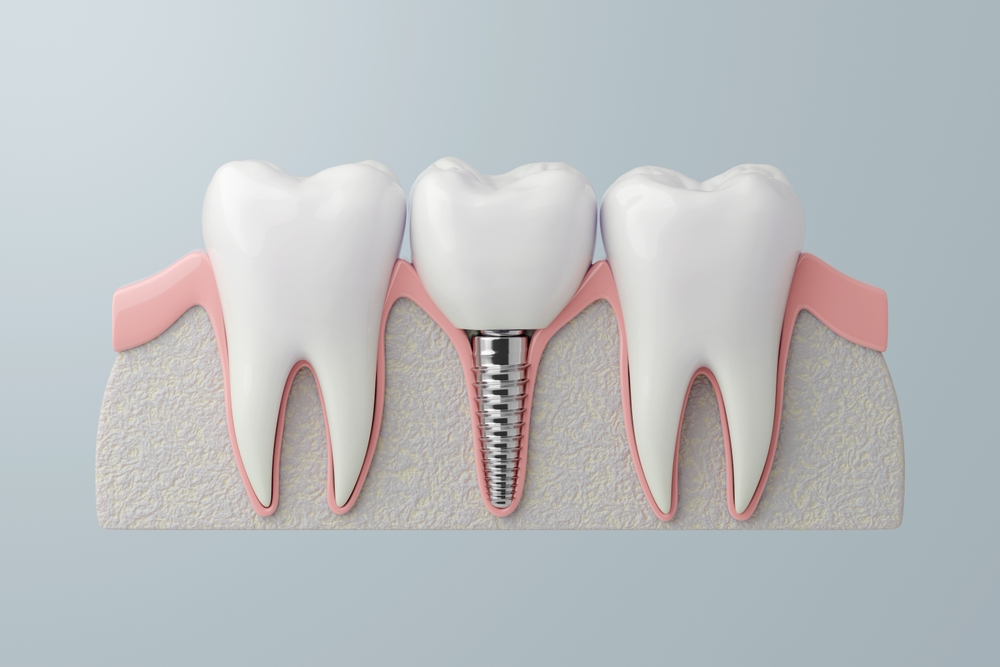
A dental implant is more than just a replacement tooth; it is a sophisticated, three-part system engineered to fully replicate the function and appearance of your natural teeth from the root up.
The Three Parts of a Dental Implant
This advanced solution is composed of three distinct parts that work together to create a seamless, strong, and beautiful restoration:
- The Implant Post: This is a small, screw-like post made of biocompatible titanium. It is surgically placed into the jawbone, where it acts as a strong and stable artificial tooth root. The body accepts titanium, allowing for a natural integration process.
- The Abutment: This connector piece is attached to the implant post and sits right at the gum line. It serves as the secure anchor for the final, visible part of the tooth.
- The Crown: This is the tooth-shaped cap that is secured onto the abutment. Each crown is custom-designed to match the precise color, shape, and size of your surrounding teeth, providing a functional and aesthetically pleasing surface for chewing and smiling.
The Science of Osseointegration
The remarkable success of dental implants is rooted in a natural biological process known as osseointegration. This term describes the direct, structural fusion between living bone and the surface of the titanium implant. Once the post is placed in the jaw, your bone tissue gradually grows onto and around it, locking it firmly in place over several months. This fusion creates an incredibly strong foundation, allowing the implant to function with the same stability as a natural tooth root.
Implants vs. Bridges and Dentures: A Clear Comparison
When comparing dental implants to traditional bridges and dentures, the differences in stability, bone health, and overall impact are significant. A dental bridge requires the grinding down of the healthy adjacent teeth to act as supports for the prosthetic. Implants, however, are entirely self-supporting and leave your neighboring teeth untouched and preserved.
Removable dentures rest on top of the gums and can be prone to slipping or causing discomfort. Implants are fixed directly into the bone, providing unparalleled stability that eliminates any movement or embarrassing clicks. This allows for a more natural and comfortable experience every day.

The Top Benefits of Choosing Dental Implants
Opting for dental implants provides a range of benefits that go far beyond just filling a gap in your smile, enhancing both your health and your daily life.
Unmatched Stability and Comfort
Because dental implants service are permanently fused with your jawbone, they offer a level of stability that removable options cannot replicate. You can eat, speak, and laugh with complete confidence, free from the worry of a denture slipping or making noise. This seamless integration provides a level of comfort that makes you feel like you have your natural tooth back.
Protecting Your Jawbone and Facial Structure
One of the most significant consequences of tooth loss is the gradual deterioration of the jawbone, a process known as resorption. When a tooth root is missing, the jawbone is no longer stimulated in that area, and the body begins to resorb the bone tissue. Dental implants are the only tooth replacement option that mimics the stimulation of a natural root, signaling your body to maintain bone density. This helps preserve your jaw’s strength and the natural contours of your face.
A Long-Lasting, Durable Solution
Dental implants are designed to be a permanent fix for tooth loss. Their durability can outlast other restorative methods by many years, even decades. While a dental bridge might need to be replaced every 5 to 10 years, a well-placed and properly cared-for implant can last a lifetime. This makes them a cost-effective choice in the long run.
Are You a Good Candidate for Dental Implants?
Determining if implants are the right choice for you involves a careful evaluation of your health and lifestyle to ensure the best possible outcome.
The Importance of Good Overall and Oral Health
Successful implant placement depends on the patient having healthy gums and being in a good state of general health to ensure proper healing. Conditions like active gum disease (periodontitis) must be treated and resolved before surgery can proceed, as an infection could compromise the bond between the implant and the bone.
Bone Grafting: What If You Lack Enough Bone?
For patients who have experienced significant bone loss due to a long-term tooth absence, there is still a clear path forward thanks to bone grafting. This common preparatory procedure involves adding bone material to the deficient area of the jaw. This material can come from another part of your body, a donor source, or a synthetic material, and it helps create a solid and dense base to support the implant.
Lifestyle Factors to Consider
Certain lifestyle habits can influence the success rate of dental implants. Smoking, for example, constricts blood flow to the gums and bone, which can slow down healing and increase the risk of implant failure. It is strongly advised to quit smoking before undergoing surgery. Similarly, uncontrolled systemic conditions like diabetes can impair the body’s ability to heal. Close management of your health is essential for a favorable outcome.
The Dental Implant Procedure: A Step-by-Step Guide
The journey to a restored smile is a carefully planned process with distinct phases designed for success and comfort.
The Initial Consultation and Treatment Plan
Your journey begins with a comprehensive consultation. A thorough examination of your oral health will be conducted, typically including advanced imaging like X-rays or a 3D CBCT scan. This allows for a detailed assessment of your bone density and helps map out the precise placement of the implant. Based on these findings, a personalized treatment plan is created to address your specific needs.
The Implant Placement and Healing Period
During the surgical phase, a small incision is made in the gum tissue to access the jawbone. The titanium implant post is then carefully placed into its pre-planned position. After the implant is securely inserted, the gum is closed over it, and the critical healing period of osseointegration begins. This can last anywhere from three to six months as the bone fuses to the implant.
Placing the Abutment and Final Crown
After your jawbone has fully healed, you will return for the final stages of the process. The abutment is attached to the top of the implant. Finally, your beautiful, custom-made crown is cemented or screwed onto the abutment, completing the transformation and restoring your smile’s full function and appearance.
Technology in Implant Dentistry: Precision and Comfort
Modern implant dentistry uses advanced technology to ensure results are both precise and comfortable for every patient.
The Role of 3D Cone Beam CT (CBCT) Scans
3D Cone Beam CT technology provides a high-definition, three-dimensional view of your oral anatomy. Unlike traditional 2D X-rays, these scans reveal critical details like bone width, nerve pathways, and sinus locations. This information is invaluable for planning a safe and successful surgery with meticulous accuracy.
Computer-Guided Implant Surgery
Using data from 3D scans, dentists can employ computer-guided surgery. Specialized software creates a surgical guide that fits over your gums, directing the drill to the exact angle and depth planned on the computer. This technology enhances the precision and predictability of the procedure, often leading to a more comfortable recovery.
Modern Materials for Natural-Looking Crowns
The crowns used for dental implants are crafted from advanced materials like zirconia and high-strength porcelain. These materials are chosen for their durability and their ability to mimic the translucency of natural tooth enamel, ensuring your new tooth blends in seamlessly with your smile.
Life After Implants: Care and Maintenance
Caring for your new implant is straightforward and essential for its longevity. It involves a routine very similar to caring for natural teeth.
Your New Daily Hygiene Routine
You should brush at least twice a day with a soft-bristled toothbrush and floss daily. Special tools like interdental brushes or water flossers may be recommended to effectively clean around the implant and keep the surrounding gums healthy and free of plaque.
The Importance of Regular Dental Check-ups
Although your implant cannot get a cavity, the gum tissue and bone around it can still be susceptible to inflammation (peri-implantitis). Regular professional cleanings and examinations are crucial for monitoring the health of these tissues and catching any potential issues early.
Foods to Enjoy and Habits to Avoid
One of the greatest benefits of dental implants is the freedom to enjoy a wide variety of foods. You can eat crunchy fruits, vegetables, and meats without the restrictions common with dentures. However, it is still wise to exercise caution with extremely hard items like ice or hard candies that could potentially damage the porcelain crown.
Cali Family Dental: Your Partner for Dental Implants in Santa Fe Springs
Finding the right dental team is a key part of your implant journey, and the residents of Santa Fe Springs deserve a provider they can trust.
A Philosophy of Personalized Care
At Cali Family Dental, the approach is centered on providing individualized attention that respects the unique goals of every patient. The team understands that dental surgery is a significant decision and prioritizes creating a supportive, welcoming environment where you can feel at ease and your questions are always welcome.
Expertise and Advanced Technology Under One Roof
Patients benefit from a combination of extensive clinical experience and state-of-the-art dental technology, all in one office. The dental professionals are highly trained in the latest implant techniques and use advanced equipment to perform procedures with exceptional accuracy and safety.
Building Lasting Smiles and Relationships
The ultimate goal at Cali Family Dental extends beyond simply restoring teeth; it is about building lasting relationships founded on trust and respect. The staff is dedicated to guiding patients through their entire oral health journey, from the first consultation to many years of successful maintenance.
Addressing Common Concerns About Dental Implants
It is natural to have questions when considering a procedure like dental implants service. Here are some clear answers to common concerns.
Will the Procedure Be Painful?
Fear of pain is a common concern, but implant surgery is typically performed under local anesthesia, which completely numbs the area. Most individuals report that the procedure is far less uncomfortable than they expected. Post-operative discomfort is generally mild and can be managed with over-the-counter pain medication.
What Is the Success Rate of Dental Implants?
Dental implants are recognized as one of the most successful procedures in modern dentistry, with long-term success rates consistently exceeding 95%. When performed by a skilled professional on a good candidate, the likelihood of a positive and lasting outcome is exceptionally high.
How Long Does the Entire Process Take?
It is important to have realistic expectations about the timeline. The implant process is a journey that spans several months to allow for proper biological healing. Depending on your individual healing speed and whether you need preparatory procedures like a bone graft, the total time from consultation to final crown placement can range from three months to over a year.
The Cost of Dental Implants: An Investment in Your Quality of Life
Understanding the financial aspect is an important part of the decision-making process.
Factors That Influence the Final Cost
The cost of dental implants varies based on several key factors. These include the number of implants needed, the type of crown material selected, and the necessity of any preparatory procedures such as bone grafting. During your consultation, you will receive a detailed and transparent breakdown of all associated costs.
Understanding Insurance and Financing Options
Navigating the financial aspect of dental care can be made easier with help from a knowledgeable office staff who can assist in verifying your insurance benefits. While many plans may cover a portion of the procedure, financing options are also available to help make the treatment affordable and accessible.
The Long-Term Value vs. Short-Term Cost
When evaluating the price of dental implants, it is crucial to consider the long-term value they provide. While the upfront cost may seem higher than for dentures or bridges, implants do not require the frequent adjustments, relining, or replacements that those alternatives often demand. Their longevity makes them a smart investment in your health and happiness.
Beyond a Single Tooth: Implant-Supported Restorations
Implants can also provide stable and reliable solutions for replacing multiple or even all missing teeth.
Implant-Supported Bridges for Multiple Missing Teeth
For patients missing several teeth in a row, an implant-supported bridge offers a stable and durable solution. Instead of relying on natural teeth for support, this restoration uses two dental implants to anchor a bridge of three or more artificial teeth, preserving the health of your remaining teeth.
Implant-Retained Dentures for Full-Arch Replacement
Individuals struggling with the instability of a full denture can find immense relief with implant-retained dentures. By placing as few as two to four implants in the jaw, a full denture can be snapped securely into place. This eliminates the need for adhesives and prevents embarrassing slippage while eating or speaking.
All-on-4® and Other Full-Arch Fixed Solutions
Advanced techniques like the All-on-4® treatment concept provide a revolutionary solution for patients who have lost all of their teeth. This procedure involves attaching a full arch of permanent, non-removable teeth to just four strategically placed implants, often on the same day as the surgery. This approach offers immediate function and a beautiful new smile.

Restoring More Than Just a Smile
Dental implants offer a transformative solution that goes far beyond aesthetics. They provide unmatched stability, preserve essential jawbone structure, and offer durability that can last a lifetime. For residents in Santa Fe Springs, the opportunity to regain a complete, confident smile is closer than ever. If you are considering this path, scheduling a consultation is the first step toward a healthier, more radiant future.