Invisalign vs Braces: The Ultimate Comparison for a Confident Smile
Choosing the right teeth-straightening solution is a significant decision that impacts more than just the aesthetics of your smile; it plays a crucial role in your long-term oral health and self-confidence. With advancements in orthodontics, patients now have effective options to correct misalignments, bite issues, and spacing problems. Understanding the nuances of each treatment path is essential because the journey to a straighter smile should align with your daily life and comfort levels.
The primary debate often centers on the differences between Invisalign vs braces, as they represent two distinct approaches to orthodontic care. While both aim to move teeth into their optimal positions, they differ significantly in their mechanics, visibility, and impact on daily routines. Braces rely on fixed appliances that work continuously, whereas aligners offer a removable, transparent alternative.
In this guide, you will gain a comprehensive understanding of the treatment processes, pros and cons, costs, and patient experiences associated with both options. From the initial consultation to the final retention phase, every aspect is covered to provide a clear roadmap.
Understanding Traditional Braces
How Braces Work
Traditional braces are a time-tested orthodontic solution that utilizes a system of brackets, wires, and bands to shift teeth into alignment. Small brackets are bonded directly to the front of each tooth, serving as anchors for a flexible archwire that connects them all. Over time, the tension applied by tightening this wire exerts gentle, continuous pressure on the teeth, gradually moving them into the desired positions.
Different Types of Braces
While the classic image of braces involves metal brackets, modern orthodontics offers several variations to suit different preferences. Traditional metal braces are durable and effective, often featuring colored bands that appeal to younger patients. Ceramic braces function similarly but use tooth-colored or clear brackets, making them less noticeable and a popular choice for those conscious about aesthetics.
When Braces Are Most Effective
Braces are often the recommended treatment for severe orthodontic issues that require significant tooth movement or complex bite correction. They are particularly effective for addressing rotated teeth, significant overcrowding, and vertical discrepancies that might be difficult to treat with removable appliances.

Understanding Clear Aligners
The Science Behind Aligners
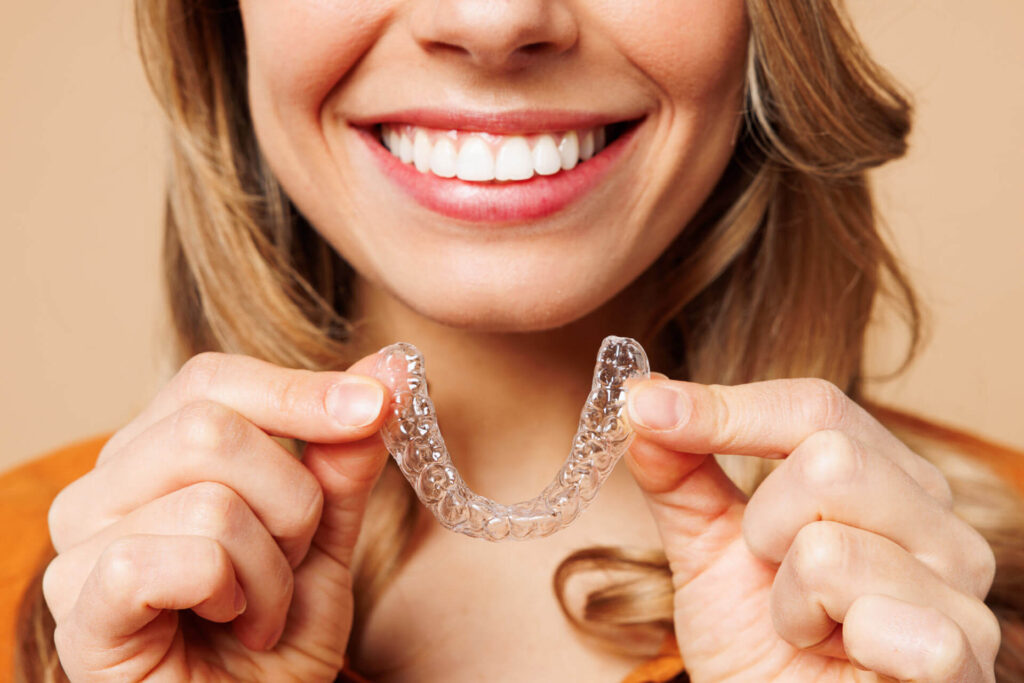
Clear aligners represent a modern approach to orthodontics, utilizing a series of custom-made, transparent plastic trays to straighten teeth. The process begins with advanced 3D imaging technology that maps out the current position of your teeth and projects the desired final result. Based on this digital plan, a sequence of aligners is fabricated, with each tray designed to make slight adjustments to tooth position.
Step-by-Step Treatment Process
The treatment journey with clear aligners involves wearing each set of trays for about one to two weeks before switching to the next in the series. Patients typically visit their provider every six to eight weeks to monitor progress and receive their next batches of aligners. This progression ensures that teeth are moved gradually and comfortably.
Lifestyle Advantages
One of the most significant benefits of clear aligners is their impact on daily life, offering flexibility that fixed appliances cannot match. The trays are removable, allowing patients to take them out for meals, special occasions, or important meetings. This removability means there are no dietary restrictions, so you can continue to enjoy your favorite foods without fear of damaging brackets.
Comfort and Convenience Comparison
Pain and Adjustments
When comparing comfort levels, both methods involve an adjustment period, but the sensations differ. Braces often cause soreness after tightening appointments as the increased tension puts pressure on the teeth and gums. In contrast, patients using clear aligners may experience mild discomfort or a feeling of pressure for a day or two after switching to a new tray.
Daily Life Impact
The impact on daily routines is a major factor for many when choosing between Invisalign vs braces. With traditional braces, oral hygiene requires extra diligence, as food particles can easily get trapped around brackets and wires, necessitating the use of special threading tools for flossing. Clear aligners simplify this aspect significantly since they are removed for brushing and flossing, allowing for a standard oral care routine.
Aesthetics and Self-Confidence
Aesthetics play a huge role in the decision-making process, especially for adult professionals and self-conscious teens. Clear aligners offer a distinct advantage here, as they are virtually invisible to others, allowing your natural smile to show through during treatment. Traditional braces are more conspicuous, although ceramic options can mitigate this.
Treatment Duration and Efficiency
Average Timeline for Braces
The duration of treatment with traditional braces varies depending on the complexity of the case, but it typically ranges from 18 to 24 months. Because braces are fixed and working continuously, they are extremely efficient at handling difficult movements and severe misalignments. Regular adjustments allow the orthodontist to fine-tune the mechanics at every visit, ensuring the treatment stays on track.
Average Timeline for Aligners
Treatment times for clear aligners can be comparable to braces, often averaging between 12 to 18 months for standard cases. In some instances involving minor corrections, aligner therapy can be faster than traditional methods. However, efficiency is heavily dependent on the patient’s adherence to wearing the trays for the recommended daily hours.
Factors Influencing Results
Several factors influence the speed and success of both treatment options, with patient compliance being paramount for aligners. Biological response to tooth movement also varies from person to person; some patients simply see faster changes than others. Additionally, the complexity of the dental issues plays a role; while aligners have evolved to treat a wide range of malocclusions, certain complex movements still respond more predictably to the mechanics of traditional braces.
Cost and Financial Considerations
Cost Breakdown for Braces
The cost of traditional braces is generally comprehensive, covering the brackets, wires, installation, and all follow-up adjustment visits. Prices can vary based on the type of material chosen, with metal braces typically being the most affordable option compared to ceramic or lingual braces. Generally, the fee structure is predictable, though emergency visits for broken brackets or wires can sometimes incur additional costs.
Cost Breakdown for Aligners
Clear aligner therapy often comes with a different pricing model, which can depend on the specific brand and the number of trays required for the treatment. Comprehensive packages for complex cases may be priced similarly to or slightly higher than traditional braces. Some providers offer tiered pricing for aligners, with lower costs for minor adjustments that require fewer trays.
Insurance and Financing Options
Many dental insurance plans offer orthodontic benefits that can partially cover the cost of both Invisalign vs dental braces, often paying a percentage up to a lifetime maximum. It is advisable to check with your insurance provider to understand the specific coverage details for each treatment type. Additionally, many dental offices provide flexible financing plans or monthly payment options to make orthodontic care more accessible.
Oral Hygiene and Maintenance
Cleaning Techniques with Braces
Maintaining excellent oral hygiene with braces requires patience and the right tools to prevent plaque buildup and enamel demineralization. Brushing must be thorough, angling the bristles to clean around and under the brackets and wires. Flossing becomes more intricate, often requiring a floss threader or a water flosser to effectively clean between teeth and under the archwire.
Cleaning Techniques with Aligners
Hygiene with clear aligners is generally more straightforward, as the trays are removed for eating and cleaning. Patients simply brush and floss their teeth as normal before reinserting the aligners, reducing the risk of food getting trapped. The aligner trays themselves must also be cleaned daily to prevent odors and bacterial buildup, usually by brushing them gently with a clear soap or using specialized cleaning crystals.
Long-Term Oral Health Benefits
Regardless of the method chosen, the end goal is a healthier oral environment that is easier to maintain. Straight teeth eliminate tight spaces where plaque can hide, reducing the long-term risk of gum disease and tooth decay. Correcting bite issues also alleviates excessive wear on tooth enamel and strain on the jaw joints.
Patient Experiences and Real Results
Life with Braces
Patients with traditional braces often report a sense of security knowing their treatment is working constantly without any effort on their part. While the initial adjustment to the feel of brackets and dietary modifications can be challenging, most individuals adapt quickly. The visible nature of braces can sometimes be a badge of honor for teens, while adults might find it requires a period of social adjustment.
Life with Aligners
Those who choose clear aligners frequently praise the freedom and flexibility the treatment offers. The ability to remove the trays for important social events or photos is a significant positive factor for many users. Comfort is another commonly highlighted benefit, with fewer reports of soft tissue irritation compared to metal brackets.
Patient Success Stories at Cali Family Dental
At Cali Family Dental, many patients have transformed their smiles and their lives through personalized orthodontic care. From teenagers gaining confidence for school photos to adults finally addressing lifelong insecurities, the results speak for themselves. Each success story underscores the importance of a tailored approach, where the specific needs and lifestyle of the patient are matched with the right treatment modality.

Choosing the Right Option for You
Questions to Ask Your Orthodontist
When consulting with a dental professional, it is important to ask specific questions to determine which path is right for you. Inquire about how your specific dental issues would be handled by Invisalign vs braces and ask for an estimated timeline for each. discussing potential lifestyle interferences and maintenance requirements can also provide clarity.
Age and Case Considerations
Age and the complexity of the dental misalignment are significant factors in the decision-making process. For younger teens who might struggle with the responsibility of keeping track of removable trays, fixed braces might be the safer choice. Adults often lean towards aligners for their discretion, but if the case involves complex vertical movements or rotation, braces might still be the most effective tool.
Making an Informed Decision
Ultimately, the decision between clear aligners and braces involves balancing cost, comfort, aesthetics, and clinical goals. It is a collaborative choice made between you and your dental provider, ensuring that your priorities are met without compromising on the quality of the result. By weighing the practical pros and cons against your personal lifestyle, you can commit to a treatment plan with confidence.
Conclusion
Deciding between clear aligners implant and traditional braces is a personal journey that hinges on your unique lifestyle, oral health needs, and aesthetic goals. Braces offer a robust, hands-off solution ideal for complex corrections, while clear aligners provide a flexible, discreet alternative for those who value aesthetics and convenience. Both paths lead to the same destination: a healthier, more aligned smile that boosts confidence and functionality.
The best way to navigate this choice is to consult with a trusted dental professional who can evaluate your specific case. They can provide a detailed roadmap, helping you weigh the clinical benefits against your daily habits. Schedule a consultation today to take the first step toward the smile you have always wanted.
Cali Family Dental
https://maps.app.goo.gl/PietwptYYCWkfeWP7
9444 Slauson Ave, Pico Rivera, CA 90660, United States
(562) 667-0978
https://califamilydental.com/