Orthodontist Near Me That Accepts Medicaid: Tips for Quality, Low-Cost Care
Access to orthodontic care has become increasingly important as more people recognize the impact of a healthy, confident smile on overall well-being. From improving oral health to boosting self-esteem, orthodontic treatments like braces and aligners are no longer seen as purely cosmetic—they are essential for many individuals. However, the rising cost of dental care continues to make these services difficult to afford, especially for families working within tight budgets.
This is where Medicaid plays a crucial role. For eligible children, teens, and in some cases adults, Medicaid can help cover the cost of necessary orthodontic treatments, making care more accessible to those who need it most. It provides a pathway for families to receive professional dental support without facing overwhelming financial strain. Still, navigating Medicaid coverage and finding the right orthodontist can feel confusing and time-consuming.
In this guide, you’ll learn how to find an orthodontist near me that accepts Medicaid while still ensuring quality care. We’ll walk you through practical tips, what to look for in a provider, and how to make informed decisions that balance affordability with excellent treatment outcomes.
Understanding Medicaid Coverage for Orthodontics
What Medicaid Typically Covers
General guidelines for orthodontic coverage under Medicaid usually focus on essential treatments rather than purely cosmetic procedures. State programs assess the functional needs of the patient, providing coverage for braces when severe misalignment affects basic daily activities like eating, speaking, or chewing. Understanding these limitations helps families manage expectations and seek the appropriate care pathways for dependents.
Age Requirements and Medical Necessity
Specific criteria must be met for approval, heavily relying on age limits and a formal determination of medical necessity. Most states restrict comprehensive orthodontic benefits to children and teenagers under the age of 21, requiring a certified dental professional to prove that braces are medically necessary for your overall health. Approval hinges on comprehensive clinical evaluations, specialized scoring systems, and documentation that demonstrate a severe handicap caused by the dental misalignment.
How to Verify Your State’s Specific Benefits
Checking local state regulations and Medicaid portals will help you understand exactly what your family is entitled to receive. You can call the customer service number on the back of your insurance card or log into your state’s official health department website to review the specific orthodontic guidelines in your area. Gathering this information early prevents surprise billing and gives you a clear roadmap for securing funded treatment.
The Importance of Early Orthodontic Intervention
Recognizing Signs Your Child Needs Braces
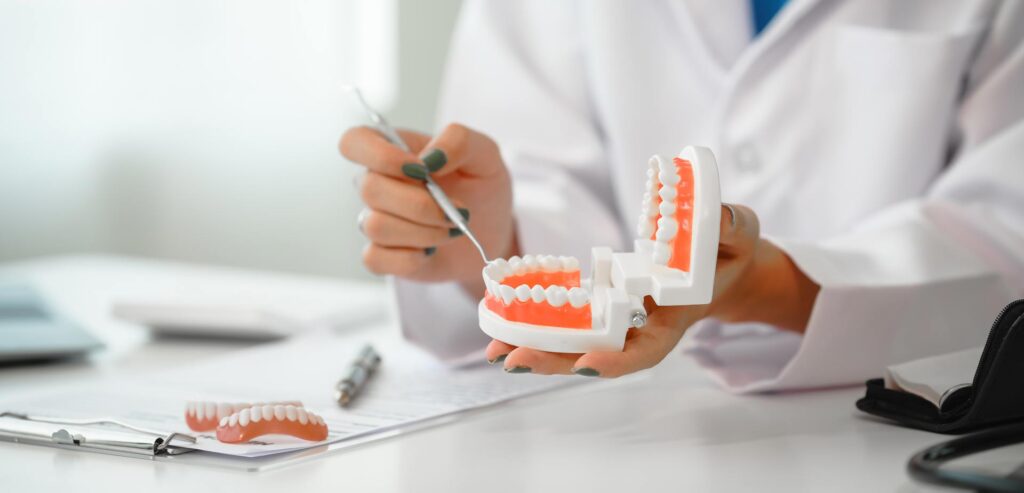
Common early indicators of alignment issues include difficulty chewing, mouth breathing, or visibly crowded teeth, signaling the need for a professional evaluation. Parents should also watch for thumb sucking beyond toddlerhood, jaws that shift or make clicking sounds, and frequent biting of the cheek or roof of the mouth.
Long-Term Health Benefits of Straight Teeth
Proper alignment goes far beyond a beautiful smile, acting as an integral part of your general health by improving digestion, speech, and jaw alignment. Straight teeth are significantly easier to clean, which lowers the risk of plaque buildup, gum disease, and chronic tooth decay over a lifetime. A properly aligned bite also reduces undue stress on the jaw joints, preventing chronic headaches and temporomandibular joint disorders.
Preventing Costly Future Dental Issues
Early treatment can prevent more severe complications down the road, ultimately saving time, discomfort, and significant out-of-pocket expenses. Addressing minor crowding or bite issues while a child’s jaw is still developing often eliminates the need for complex jaw surgeries or tooth extractions later in life. Proactive care ensures a stable, healthy mouth that functions correctly, avoiding emergency dental visits and extensive restorative work in adulthood.
How to Find the Right Orthodontist in Your Area
Utilizing Online Provider Directories Effectively
Filtering search results through official insurance portals is the best way to find certified orthodontists who actively accept Medicaid plan. You can use the search tools provided by your state’s Medicaid website or third-party healthcare directories to locate specialists near your zip code. Calling the offices directly to confirm their current participation status ensures the directory information remains accurate and up-to-date.
Reading Patient Reviews and Testimonials
Patient reviews provide valuable insight into a clinic’s professionalism, friendliness, and ability to create a stress-free environment. Look for consistent feedback regarding how the staff handles insurance processing, wait times, and the overall bedside manner of the doctor. A pattern of positive testimonials from other families using Medicaid indicates a welcoming practice that values every patient equally.
Preparing Questions for Your Initial Consultation
Bringing a checklist of essential questions to ask potential providers will ensure they align with your family’s needs and comfort levels. You should inquire about the typical timeline for Medicaid approval, what happens if an appliance breaks, and how emergencies are handled outside of regular business hours.
What to Expect During Your First Orthodontic Visit
Initial Examination and X-Rays Explained
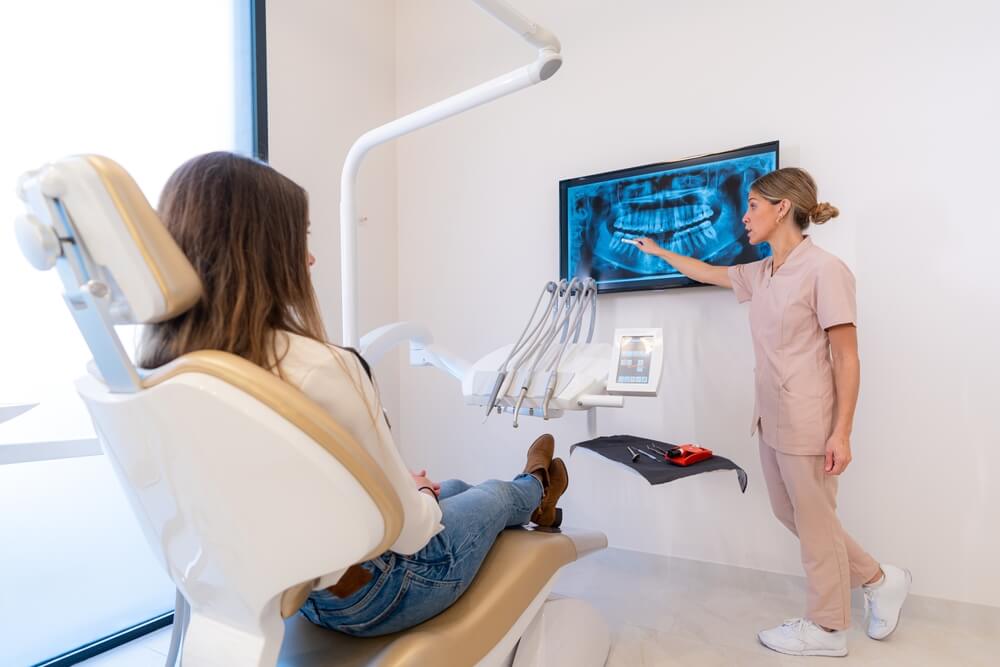
The standard procedures of a first visit involve comprehensive, evidence-based assessments to evaluate the health and positioning of the teeth and jaws. An orthodontic specialist will conduct a visual exam, take a series of digital photographs, and capture panoramic X-rays to see the underlying bone structure. These diagnostic records are entirely painless and form the essential foundation for creating a precise, customized action plan.
Discussing Treatment Options and Timelines
A professional orthodontist will explain your personalized treatment plan, detailing the specific appliances needed and the expected duration of the process. You will learn about specific milestones, how often adjustment appointments are required, and the exact steps needed to achieve optimal alignment.
Navigating the Medicaid Approval Process
The orthodontist’s office will take the necessary administrative steps to submit evidence and secure approval from Medicaid before any active treatment begins. The billing coordinators package the X-rays, photographs, and clinical notes into a formal pre-authorization request sent directly to the state health department. Patients typically wait a few weeks for this review process to conclude, after which the office contacts you to schedule the official bonding appointment.

Welcome to Cali Family Dental: Your Partner in Oral Health
A Commitment to Accessible, Compassionate Care
Cali Family Dental approaches oral health as an integral part of your general health, dedicated to serving Medicaid patients with the highest level of comprehensive care. The clinic operates on the belief that everyone deserves high-quality dentistry based exclusively on current scientific research and proven clinical techniques.
Services Provided for Your Smile
Specific orthodontic and restorative services available on the menu help make your smile a showstopper while ensuring excellent oral health. From traditional metal braces and interceptive early treatments to essential restorative procedures, the clinic provides everything needed to align and protect the teeth. Each service is tailored to the individual patient, focusing on long-term stability and optimal aesthetic results.
Creating a Stress-Free Environment for the Whole Family
From the moment you walk in the door, a caring staff welcomes you into a relaxed environment where booking and getting care feels easy from start to finish. The waiting area and treatment rooms are designed to alleviate anxiety, making sure children and parents feel completely at ease. Friendly front desk coordinators handle the complex insurance paperwork seamlessly, allowing you to focus entirely on your family’s well-being.
Managing Out-of-Pocket Costs and Alternative Financing
Understanding Copays and Non-Covered Expenses
Potential out-of-pocket costs may arise for specific treatments, appliance upgrades, or replacement retainers that Medicaid may not fully cover. While traditional metal braces are typically funded for severe cases, cosmetic upgrades like ceramic brackets or clear aligners usually require direct payment from the patient. Reviewing the proposed treatment contract closely will help you identify any specific fees or copayments before signing the agreement.
Setting Up Flexible Payment Plans
Reliable orthodontic offices work closely with you to create manageable, budget-friendly payment schedules for any remaining balances. Many practices offer zero-interest financing spread across the duration of the treatment, breaking down the total cost into low monthly installments. These flexible arrangements make covering non-funded expenses much easier, ensuring your budget remains secure while your child receives the necessary care.
Exploring Additional Dental Assistance Programs
Alternative community programs and non-profit grants can help bridge the gap in dental financing if state benefits fall short. Organizations like Smiles Change Lives or local dental school clinics often provide heavily discounted orthodontic services to low-income families who meet specific financial criteria.
Maintaining Your Smile During Treatment
Daily Brushing and Flossing Techniques with Braces
Keeping your teeth and brackets clean requires structured, easy-to-follow advice to protect the enamel from decay during treatment. Patients must brush carefully around the hardware using a soft-bristled toothbrush and utilize specialized tools like floss threaders or water irrigators to dislodge trapped food particles. Maintaining this rigorous daily hygiene routine prevents unsightly white spot lesions and keeps the gums healthy and inflammation-free.
Foods to Avoid to Protect Your Orthodontic Work
Common foods that can damage braces must be eliminated from your diet, helping you make informed choices to prevent broken wires and emergency visits. Hard items like nuts, ice, and popcorn kernels can easily snap a bracket off the tooth, while sticky sweets like caramel and chewing gum get hopelessly tangled in the hardware. Cutting crunchy fruits and vegetables into small, manageable pieces allows you to enjoy nutritious foods without jeopardizing the orthodontic appliances.
Keeping Up with Regular Adjustment Appointments
Attending all scheduled appointments is crucial to ensure your treatment stays on track and finishes on time. The orthodontist needs to evaluate progress, change the elastic ties, and place new wires every four to eight weeks to keep the teeth moving correctly. Missing these vital check-ins prolongs the overall time spent in braces and can disrupt the carefully planned mechanics of the alignment process.
Your Next Steps Toward a Confident Smile
Finding a qualified orthodontist who accepts Medicaid acts as a vital step toward securing a healthy, confident smile for your family. By understanding state guidelines, researching local providers, and preparing for the first consultation, you eliminate the confusion often associated with state-funded healthcare. Review your specific insurance benefits today, gather your essential questions, and schedule an initial consultation to begin your personalized journey toward excellent oral health.
Cali Family Dental
https://maps.app.goo.gl/PietwptYYCWkfeWP7
9444 Slauson Ave, Pico Rivera, CA 90660, United States
(562) 667-0978
https://califamilydental.com/