
Dental bridges and dentures are excellent solutions for individuals who have lost one or more teeth. Whether due to decay, injury, or other factors, these restorative options help restore your smile, improve your ability to chew, and boost your confidence. However, just like your natural teeth, dental bridges and dentures require proper care to ensure their longevity and effectiveness.
Understanding Dental Bridges and Dentures
Dental Bridges
A dental bridge is a custom-made device that fills the gap created by one or more missing teeth. It consists of a false tooth (or teeth) anchored to adjacent natural teeth or dental implants. The bridge restores the function of your teeth and improves the appearance of your smile.
Bridges are typically made from materials like porcelain, ceramic, or metal, depending on the location of the missing tooth and your preferences. They are designed to blend seamlessly with your natural teeth, providing both aesthetic and functional benefits.
Dentures
Dentures are removable appliances that replace missing teeth and surrounding tissue. There are two main types of dentures: full dentures (which replace an entire set of teeth) and partial dentures (which replace only a few missing teeth). Dentures are made from acrylic resin, sometimes combined with metals for added strength.
Full dentures are typically used for patients who have lost all of their teeth in a jaw, while partial dentures are used for individuals with some remaining natural teeth. Dentures are custom-made to fit the shape of your mouth and resemble the appearance of natural teeth.
Caring for Your Dental Bridge
Dental bridges are a long-lasting solution, but to ensure their durability and preserve your oral health, it’s important to care for them properly. Here’s how:
1. Practice Good Oral Hygiene
Brushing and flossing are just as important for dental bridges as they are for natural teeth. Brush your teeth at least twice a day with fluoride toothpaste and a soft-bristled toothbrush. Be sure to brush along the gumline and around the bridge to remove any plaque buildup that can lead to gum disease or decay.
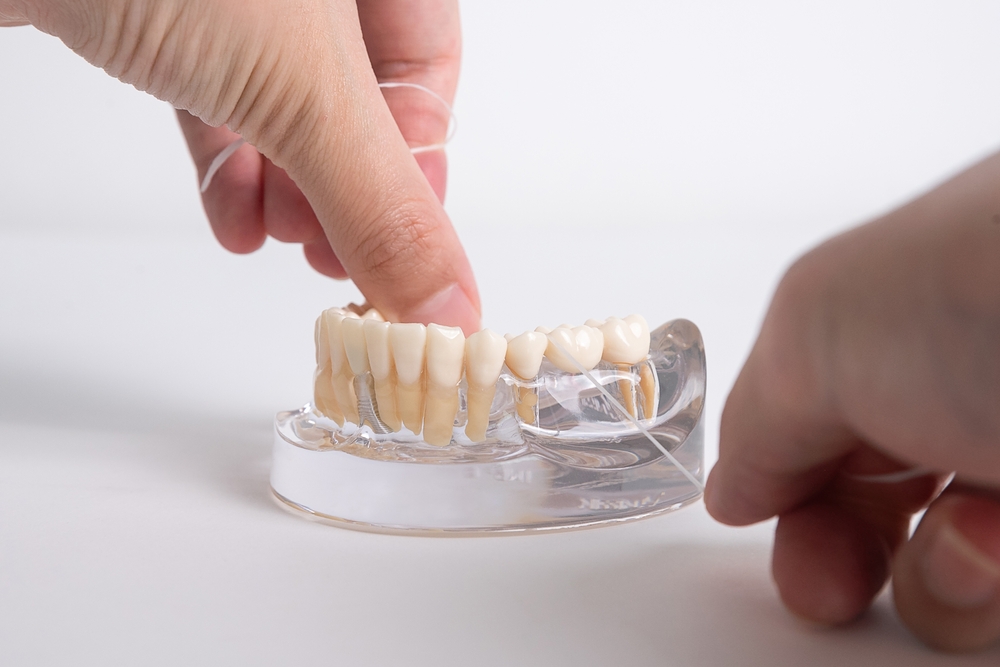
Flossing is crucial for cleaning around the dental bridge. While you can’t floss between the bridge and the false teeth, you can use a floss threader or special bridge floss to clean the spaces between the natural teeth and the bridge. This helps remove food particles and plaque, preventing the buildup of harmful bacteria.
2. Avoid Hard and Sticky Foods
While dental bridges are strong and durable, they can be damaged by hard or sticky foods. Chewing on hard candies, ice, or nuts can cause the bridge to crack or break. Similarly, sticky foods like caramel or chewing gum can pull on the bridge and affect its fit.
To keep your bridge in optimal condition, avoid foods that can damage or loosen it. If you must eat sticky foods, try to chew on the opposite side of your mouth.
3. Regular Dental Checkups
Routine visits to your dentist are essential for maintaining the health of your dental bridge. During your checkups, your dentist will examine your bridge to ensure that it is securely in place, and they may recommend adjustments if necessary. Regular visits also allow your dentist to check the condition of your remaining natural teeth and gums, ensuring that no further dental issues arise.
4. Watch for Signs of Wear
Over time, a dental bridge may experience some wear and tear, and the surrounding gums and teeth may change. If you notice any discomfort, sensitivity, or changes in the fit of your bridge, contact your dentist promptly. Early intervention can help prevent further damage or complications.
Caring for Your Dentures
Dentures are designed to be removable, making them easier to clean, but they still require proper care to maintain their appearance and function. Here are some important tips for caring for your dentures:
1. Clean Your Dentures Daily
Just like natural teeth, dentures must be cleaned regularly to prevent plaque buildup, staining, and bacteria growth. Use a soft-bristled toothbrush or a denture brush to clean your dentures daily. Brush all surfaces of the dentures, including the teeth and gums, to remove food particles and plaque.
Avoid using regular toothpaste on your dentures, as it can be too abrasive and cause scratching. Instead, use a denture cleaner specifically designed for cleaning dentures.
2. Soak Your Dentures Overnight
Dentures can lose their shape and become brittle if they dry out. To keep them in good condition, soak your dentures overnight in a denture solution or warm water. This helps maintain their flexibility and prevents them from losing their shape.
If your dentures have any metal parts, such as clasps, avoid soaking them in solutions that contain bleach, as this can cause corrosion. Always follow the manufacturer’s instructions for the correct soaking solution.
3. Be Gentle When Handling Your Dentures
Dentures are delicate, and they can break or become damaged if dropped. Always handle your dentures gently and over a soft surface, such as a towel or basin, to avoid accidents. When cleaning your dentures, be careful not to apply too much pressure, which could cause warping or cracking.
4. Rinse After Meals
After eating, remove your dentures and rinse them thoroughly to remove any food particles. This helps prevent bacteria buildup and ensures that your dentures stay clean throughout the day. You can also use mouthwash to freshen your breath and kill bacteria in your mouth.
5. Regularly Visit Your Dentist
Just because dentures are removable doesn’t mean you can skip dental checkups. Even if you have no natural teeth left, it’s important to see your dentist regularly to ensure your dentures fit properly and are not causing irritation to your gums or mouth. Dentists can also make adjustments to your dentures as your mouth changes over time.
Good Care for a Healthy Smile in Pico Rivera
Dental bridges and dentures are life-changing solutions for those who have lost teeth, helping to restore function and improve the appearance of your smile. However, they require proper care and attention to ensure they continue to work effectively. By practicing good oral hygiene, avoiding damaging foods, and visiting your dentist Dr. Rafaat regularly, you can enjoy the benefits of your dental restorations for many years to come.
If you have any questions about caring for your dental bridge or dentures, or if you’re considering these options for tooth replacement, don’t hesitate to reach out to your dentist Dr. Rafaat. Dr. Rafaat can provide personalized advice and guidance to help you maintain a healthy and beautiful smile. For an appointment with Cali Family Dental, call 562-656-2020 today.


